The Rosewater Ritual: Pleasure, Shame, and the Choice Nobody Talks About
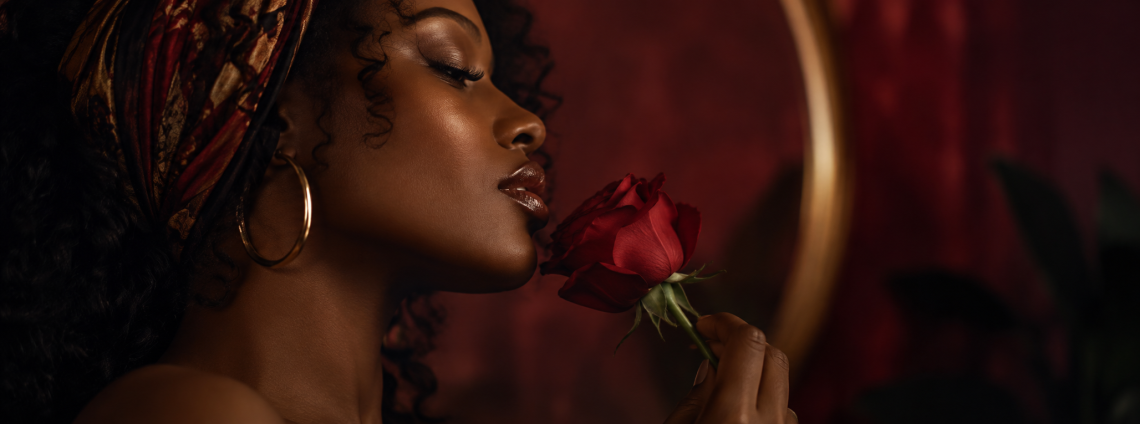
I begin this article bathed in rosewater, its delicate floral aroma rising in warm steam, its ancient properties soothing skin inflammation, lowering cortisol, and calming the nervous system through aromatherapy pathways that modern neuroscience now confirms.
There is something inherently sensual about this ritual, and science suggests that is no accident: a certain amount of sexiness, heightened sensory awareness, dopamine release, embodied presence, is actually required for deep thinking and creative cognition.
So the big question that keeps me up at night: How can something so pleasurable be so wrong, well, so they say?
The Four-Year-Old Who Spoke Truth
The other day, during a body-awareness session with young learners at Narnia Daycare & Preschool, a four-year-old boy eagerly shared that breasts were “not only for babies sucking, my dad does it too!” The room froze for a microsecond before our trained learning coach gently redirected: not labelling it good or bad, but simply an occurrence that happens between adults.
This is how, from very early ages, all genders are pushed into boxes: morality, religion, cultural expectation. I honour and respect these frameworks, they provide structure, meaning, and community. But where do we draw the line between guidance and shame? Between wisdom and silence that costs lives?
The Unspoken Epidemic: West Africa’s Silent Crisis
Let us talk about what we do not often talk about.
In Ghana alone, a 2026 systematic review published in BMC Infectious Diseases found a pooled STI prevalence of 7.5% nationally, with adolescents aged 15 to 19 showing rates of 7.1% for males and a striking 12.5% for females
Nigeria’s picture is equally sobering. Gonorrhea prevalence sits at 3.5% and chlamydia at 5%, with the highest growth in urban areas Trichomoniasis affects 25.9% of the population, and among young women aged 15 to 24 in Akwa Ibom State, STI prevalence reaches 6.8%. One study found 28.2% of adults diagnosed with STIs, largely due to unprotected sex and multiple partners.
Sierra Leone carries an estimated total STD rate of 20,830 per 100,000 population. HIV prevalence stands at 1.7% among adults aged 15 to 49, with females aged 15 to 24 showing 1.5% prevalence compared to 0.5% for males in the same age bracket.
Among key populations, female sex workers show 11.8% HIV prevalence.
And that is just West Africa.
Yet safe sex discussions remain shrouded in general shame, particularly in populations with high infectious disease rates.
We celebrate the successful entrepreneur who “likes sex”, but how dare the school – teacher enjoy sex so much that she’s pregnant every other year? The double standard is breathtaking: male sexuality is ambition; female sexuality is indiscretion.
What the Science Actually Says
I invite you to read on, let us see what peer-reviewed research tells us about self-pleasure:
- Stress reduction: Masturbation lowers cortisol (the primary stress hormone) and activates the parasympathetic nervous system, slowing heart rate and promoting relaxation.
- Mood enhancement: It releases dopamine, oxytocin, serotonin, and endorphins, neurochemicals that function as natural antidepressants and anxiety reducers.
- Sleep improvement: The hormonal cascade post-orgasm supports better sleep quality, particularly for those with stress-induced insomnia.
- Body awareness and confidence: Knowing what feels good increases sexual self-efficacy and body positivity.
- Pain relief: For people who menstruate, orgasm can alleviate cramps through uterine contractions and endorphin release.
- Prostate health: Some research suggests regular ejaculation may reduce prostate cancer risk in men.
The Cleveland Clinic states plainly: “Masturbation is good for you. It has many physical and mental health benefits.”
Medical News Today adds that it may improve self-esteem, treat sexual problems, and enhance overall sex life.
The Ancient World: When gods Masturbated
Long before modern debates, many ancient cultures told creation stories in which divine self-pleasure was not taboo but a source of life. In these myths, masturbation appears as a sacred act tied to fertility, order, and the shaping of the world.
Egypt: Atum’s Hand and the First Gods
In the Heliopolitan cosmogony, the creator god Atum rises from the primordial waters and brings the universe into being through a solitary act. From this act emerge Shu (air) and Tefnut (moisture), the first divine pair who go on to generate the rest of the pantheon. Some versions describe Atum spitting out the first gods; others describe masturbation, with the hand itself sometimes read as a feminine principle within the god. Royal ritual echoed the myth: pharaohs are said to have ceremonially ejaculated into the Nile to imitate Atum’s creative power, framing male sexuality as a force for fertility and cosmic order.
Sumer: Enki and the Rivers That Fed a Civilization
In Sumerian mythology, the god Enki creates the Tigris and Euphrates by masturbating and ejaculating into their empty riverbeds. These rivers made the Fertile Crescent possible, so the story links divine self-pleasure directly to agricultural abundance and social survival. Sumerian tradition also held that masturbation could enhance sexual potency for both men and women, and it was practiced both alone and with partners.
The Mediterranean: Pragmatic, Not Damned
Across classical antiquity in the Mediterranean, masturbation was generally treated as a practical, if lesser, alternative to partnered sex rather than a grave religious offense. It carried no severe stigmatization in many contexts and was often discussed in matter-of-fact terms.
In these worldviews, self-pleasure could be framed as creation, magic, or divine sustenance rather than
The Biblical View: Onan’s Real Sin?
The word “masturbation” does not appear in the Bible, yet Genesis 38:9–10; the story of Onan; has long been cited under the label “onanism.”
The Story in Context
After Onan’s brother dies, his widow Tamar remains childless. By custom, Onan is expected to provide an heir for his dead brother. Instead, he “spills his seed on the ground” during intercourse, practicing coitus interruptus to avoid fathering a child that would legally belong to his brother. God then puts Onan to death.
Many scholars across Jewish, Christian, and secular traditions argue that Onan’s punishment targets his refusal to fulfill a family and social obligation, not the act of self-touch itself. In this reading, the “sin” is selfishness and the deliberate denial of care and inheritance to a vulnerable widow, not masturbation.
New Testament Passages Often Cited
Critics sometimes point to Matthew 5:27–28 (“lust in the heart”) and 1 Thessalonians 4:3–5 (“abstain from sexual immorality… not in lustful passion”) as indirect condemnations. These texts address lustful intent and objectification rather than the physiological act of self-touch.
Self-Care and Bodily Stewardship
While no verse says “masturbate,” Scripture repeatedly calls for self-care and responsible stewardship of the body: “Love your neighbour as yourself” (Mark 12:31) presupposes healthy self-love, and “Your body is a temple” (1 Corinthians 6:19) calls for honouring, not shaming, physical needs.
The Paradox: Exploration, Lust, and Sin
Some people might be wondering; what is the writer’s take – this is where I land, neither preacher nor libertine:
I am not an avid fan of masturbation, but I am learning that seasons of exploration help build confidence in people. You do not need to rely on another person to satisfy your needs. There is dignity in self-sufficiency, in knowing your body without apology.
Do not forward this article to my Mama. Heck yeah, when my teenage son reads this now or in the future, he should know I am a liberal woman who chooses curiosity over silence.
Everything becomes a problem when it turns into addiction. It is always worrisome when people cannot go a day without masturbating or intrusive sexual thoughts, compulsive patterns that signal deeper emotional dysregulation. But occasional, intentional self-pleasure? That should not be termed pathology. That is being human.
The Choice You Must Make
So here we are, at the intersection of ancient mythology, modern neuroscience, and inherited shame.
The Sumerians said masturbation created rivers.
The Egyptians said it birthed gods.
The Cleveland Clinic says it reduces stress and improves sleep.
Your pastor may say it is sin.
Who do you trust?
Perhaps the real question is not whether self-pleasure is right or wrong, but what relationship do you want with your own body? One governed by fear, silence, and external judgment? Or one rooted in curiosity, evidence, and personal sovereignty?
The rosewater still steams. The scent still calms. Your nervous system still responds.
The choice, to explore, to abstain, to question, to accept, is yours alone.
And that, perhaps, is the most sacred act of all.
Note: This article is intended for adult readers seeking informed, science-based perspectives on sexual health and personal development. It does not constitute medical or theological advice.

Ariana Oluwole is an executive coach, holistic educator, and Multipotentialite Entrepreneur. Her flagship coaching program ‘Live and Lead Your Best Life’ provides holistic strategies for Africans, the diaspora, and professionals navigating multiple cultures and teams. When she is not Empowering People, Teams & Systems to Thrive. Queen A can be found speaking to plants with a nice cup of tea.
Ariana Oluwole
Ariana Oluwole is an executive coach, holistic educator, and Multipotentialite Entrepreneur. Her flagship coaching program 'Live and Lead Your Best Life' provides holistic strategies for Africans, the diaspora, and professionals navigating multiple cultures and teams. When she is not Empowering People, Teams & Systems to Thrive. Queen A can be found speaking to plants with a nice cup of tea.


You May Also Like

WOMEN IN LEADERSHIP: ACHIEVING AN EQUAL FUTURE IN A COVID WORLD
March 8, 2021
COGNITIVE FITNESS FOR BRAIN POWER
October 1, 2019