Youth Mental Health: Dr Victoria Thomas on Success, Self Worth and Raising Resilient Young People
This doctor and nonprofit founder is challenging the pressure to appear successful and creating space for young people to say how they really feel.
When Dr Victoria Thomas visits schools to talk about mental health, she asks questions that do not appear on an exam paper.
“Do you feel like you can express yourself? Is it okay for you to cry? Is it okay to be sad?”
Many students, particularly boys, tell her they do not feel it is acceptable to cry or discuss their emotions. They are learning to work hard, meet expectations and prepare for the future. But some are also learning to keep their struggles out of sight.
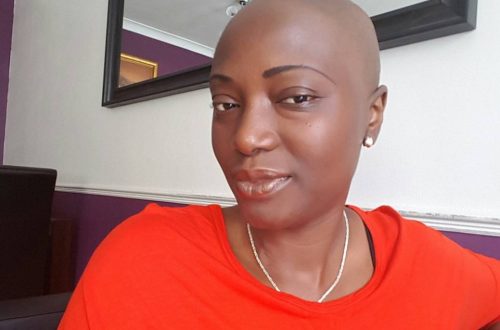
“I think we sometimes teach young people to be strong without teaching them that vulnerability is also part of being human,” she says. That gap between appearing capable and feeling supported sits at the heart of Thomas’s work. A medical doctor and mental health advocate, she is the founder and executive director of Safeguard Mental Health Initiative (SMHI), a nonprofit based in Nigeria that focuses particularly on children, adolescents and young people. Her message carries particular resonance following World Mental Health Day on 10 October. Its 2026 theme, “Lived Experiences Heard: Real Voices, Real Change,” called for people’s experiences to shape mental health policies, services and decisions. The day has passed, but the challenge remains: listening must lead to meaningful support.
For Thomas, that responsibility begins in the places where young people live, learn and form their ideas about who they are allowed to be.
Whose definition of success?
During one mental health session with high school students, Thomas asked a familiar question: “What does success mean to you?”The answers followed a familiar pattern: academic achievement, money, career and status.Then she changed the terms. If they removed everyone else’s expectations, stopped worrying about what people would think and took money out of the equation, what would success mean? According to Thomas, more than 70% of the students in that session changed their answers completely. It was an informal classroom exercise, not a wider study, but the response stayed with her.
“There is so much emphasis on what young people have achieved, with comparatively little emphasis on balance, rest, emotional wellbeing and how to cope when things don’t go as planned,” she says.
In many African communities, she observes, rest can be treated as something to earn. Without enough hard work to justify it, slowing down risks being labelled laziness. Thomas is not arguing against ambition. She is questioning what happens when achievement becomes the foundation of a person’s worth.
Young people, she says, need to learn “how to define success for themselves, cope with failure, rest without guilt, and build a sense of worth that isn’t entirely dependent on what they accomplish.”
It is a different kind of preparation for adulthood: not simply learning how to pursue a goal, but how to remain grounded when life does not go to plan.
The knowledge gap that became a mission
Thomas’s interest in mental health began early in medical school. Behavioural science and psychology helped her understand experiences she had seen around her but had not fully recognised.
“I had heard of mental health, but I realised I didn’t really understand it,” she says. “And because of that, I couldn’t fully understand the people around me who were struggling and needed help.”
Clinical rotations in psychiatry and community medicine brought the gaps into sharper focus.
“I saw a huge knowledge gap, and I wanted to help. I wanted to be part of closing that gap and, ultimately, be part of the change.”
As a young African woman who enjoyed working with children and adolescents, she also recognised how easily their difficulties could be dismissed. She wanted to create spaces where they could speak without feeling that their age made their experiences less important.
Through SMHI, she channels that purpose into mental health education, advocacy and community engagement. The school sessions she describes make room for questions that young people may rarely be asked, including what they want for themselves and whether they feel safe enough to say it.
“For me, the work could not wait because people cannot seek help for what they don’t understand,” she says.
When every hand goes up
Thomas does not discuss social media pressure as though adults are immune.
“If we can feel that way as adults, imagine how a child or young person, who is still developing their identity and sense of self-worth, may experience it.”
During SMHI’s Resilient Teen Series, participants were asked whether they had ever felt the need to dress differently, behave differently or do something simply to fit in or look good on social media.
Every hand in the room went up, she recalls. The response captured a tension she takes seriously. Recognising that someone’s online life is carefully curated does not necessarily stop it from making your own feel inadequate.
“Young people may know that social media isn’t real life, but knowing that doesn’t necessarily protect you from its influence.”
Her concern is what happens when approval becomes a measure of personal value. The desire to belong is human, she acknowledges. But fitting in should not require a young person to lose confidence in who they are.
“You don’t even pay bills”
At home, the barriers to honesty can sound ordinary.
“What do you have to be sad about?”. “What do you have to be worried about? You don’t even pay bills.”
For Thomas, these responses show how stigma can operate through dismissal rather than open hostility. “Emotional distress doesn’t become less real because someone is young,” she says.
An emotionally safe home, in her view, allows a child to say “I am hurt,” “I am angry” or “I do not understand” without the conversation immediately becoming a dispute about respect. That does not mean abandoning boundaries. It means recognising that respect and emotional expression can coexist.
“One thing I have learnt is that there is a difference between having the opportunity to speak and actually feeling heard.”
The distinction matters when behaviour becomes difficult, too. Thomas describes withdrawal, irritability, loss of interest and changes in school performance as things adults may dismiss before asking what lies behind them.
She is careful not to treat every difficult behaviour as a mental health concern. What deserves attention, she says, is significant or persistent change.
Her preferred starting point is curiosity “What might be causing this behaviour?” she encourages adults to ask, rather than, “What is wrong with this child?”
The shift makes room for understanding before judgement.
A conversation is not a support system
Thomas welcomes greater openness about mental health. But she draws a firm distinction between knowing the language and knowing what to do when someone needs help.
“Conversation is progress, but conversation alone is not a support system.”
Schools are central to the response she wants to see. Some students, she says, have told her they feel more comfortable speaking to teachers than to their parents. That trust matters, but it needs practical support behind it.
She believes school staff should be equipped to recognise distress, provide basic support and know when a student needs more specialised care. Teachers’ own wellbeing must be part of that approach.
“We cannot expect teachers and other school staff to support the emotional wellbeing of students without also creating systems that support their own mental health.”
Her vision for SMHI reaches beyond encouraging individuals to become more resilient. It asks families, schools and communities to become more responsive.
Asked what she hopes will be different in ten years, Thomas talks about children whose voices are valued, young people who can seek support without shame, and communities where mental health is understood and prioritised.
“When Safeguard Mental Health Initiative (SMHI) succeeds, and I believe it will,” she says, “I want us to see communities where every child and young person can truly thrive.”
For now, she keeps returning to those questions in the classroom. Can you express yourself? Is it okay to cry?
She is working towards a future in which young people can answer yes, and know who will listen.
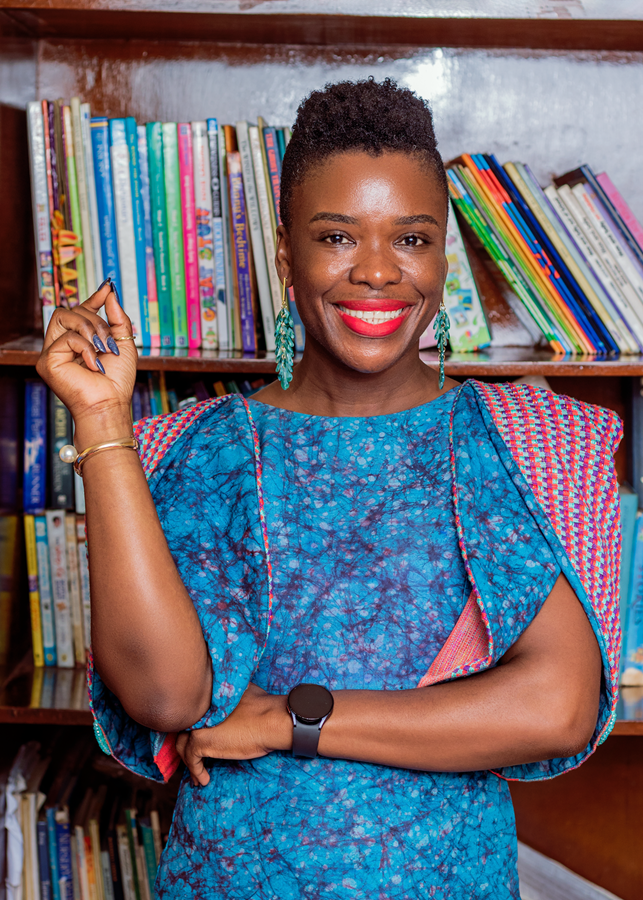
Ariana Oluwole is an executive coach, holistic educator, and Multipotentialite Entrepreneur. Her flagship coaching program ‘Live and Lead Your Best Life’ provides holistic strategies for Africans, the diaspora, and professionals navigating multiple cultures and teams. When she is not Empowering People, Teams & Systems to Thrive. Queen A can be found speaking to plants with a nice cup of tea.
Ariana Oluwole
Ariana Oluwole is an executive coach, holistic educator, and Multipotentialite Entrepreneur. Her flagship coaching program 'Live and Lead Your Best Life' provides holistic strategies for Africans, the diaspora, and professionals navigating multiple cultures and teams. When she is not Empowering People, Teams & Systems to Thrive. Queen A can be found speaking to plants with a nice cup of tea.

You May Also Like

THE NEED FOR NTC SYSTEM OF EDUCATION IN AFRICA
April 10, 2019
MASADA WASTE TRANSFORMERS -TURNS WASTE INTO OPPORTUNITIES
May 10, 2019