
Can a Culture Survive When Its Young People No Longer Understand it?
Culture is one of the ways a people tell the world who they are. It lives in their languages, clothing, food, values, stories and traditions, connecting generations through a shared sense of history and belonging. Yet, as younger generations navigate an increasingly interconnected world, an important question emerges: can a culture survive when the people expected to carry it forward no longer understand it?
For Sierra Leone, this question raises important considerations about identity, cultural preservation and the responsibility of passing heritage from one generation to the next. How can young people embrace the opportunities of a changing world without losing touch with the traditions that shaped their communities? And how can a country make its cultural identity meaningful to a generation that is constantly exposed to influences from beyond its borders?
To explore these questions, we turn to Eric Kawa, an award-winning multilingual journalist based in Freetown, Sierra Leone, whose understanding of culture is rooted in personal experience, professional exposure and an appreciation of the wisdom passed down by older generations.
Kawa holds a bachelor’s degree in Mass Communication from Fourah Bay College, University of Sierra Leone. His professional experience includes participation in the first CNN Academy Climate Storytelling Cohort, sponsored by the Rockefeller Foundation, where he received a Special Recognition Award. He is a professional MC and also a G20 fellow in strategic communications for land restoration by UNCDD at the London School of Economics (LSE). For Kawa, the conversation about identity begins with the people who have influenced his own journey. He credits his family, especially his grandfather, Alhaji Mohamed Jeng and late Haja Morshopeh Thomas of Aberdeen; these people he said, played a very significant role in his life. He stated also that his grandfather inspired his decision to pursue journalism.
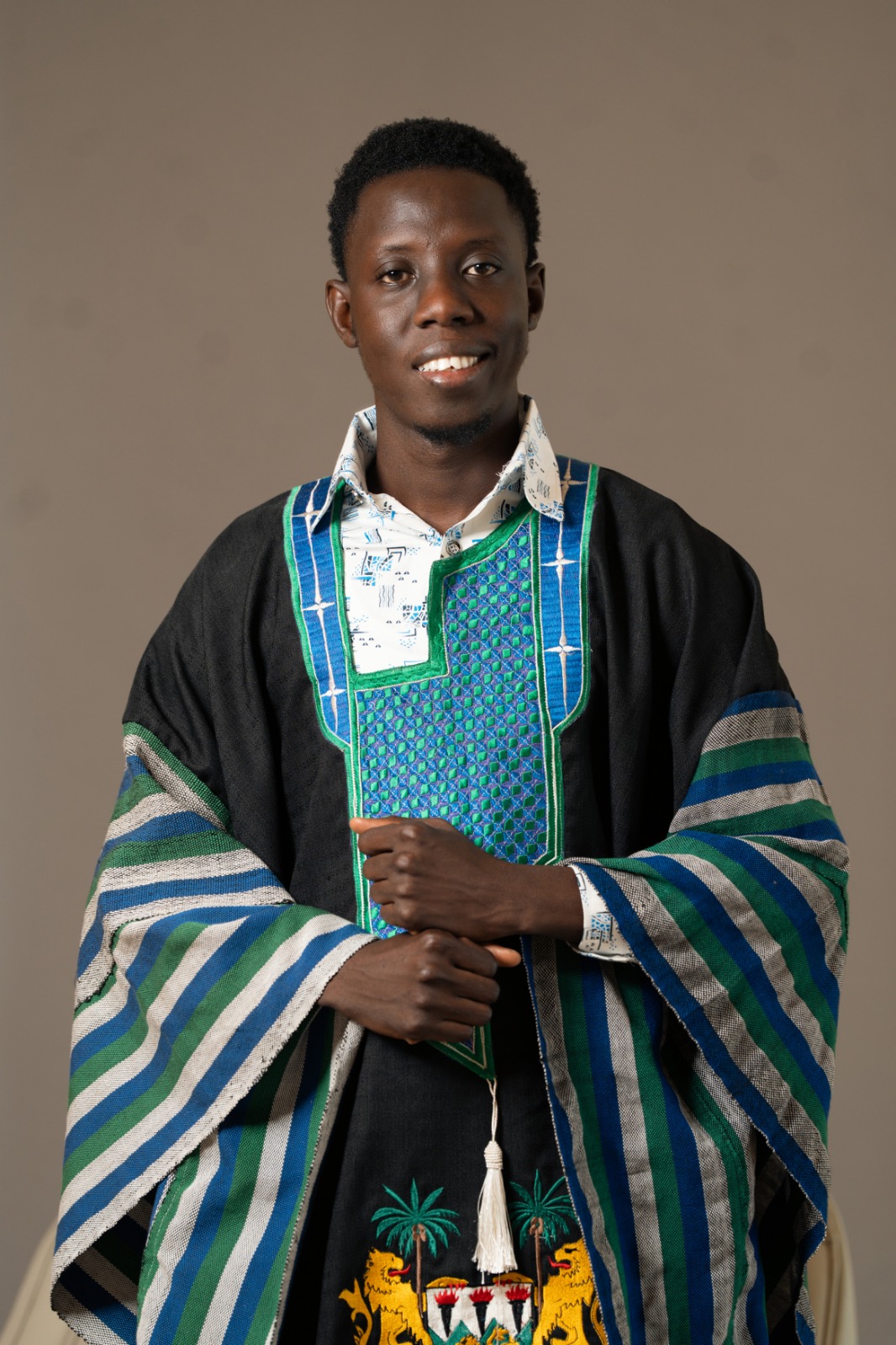
Beyond the encouragement, Kawa recalls learning important lessons about patience and the need to allow life to unfold without rushing every process. The experiences and wisdom of older generations, he suggests, can offer guidance that remains valuable long after the conversations themselves have ended.
“You have to be patient; you don’t have to be in a hurry when doing things all the time.” he says.
His reflection points to an often-overlooked aspect of cultural preservation. Heritage is not limited to the visible expressions of tradition. It also encompasses the knowledge, values and experiences that elders pass on to younger family members. When these connections weaken, something more significant than a custom or practice may be lost: the opportunity to understand the experiences that helped shape a community.
Kawa’s own understanding of culture extends beyond the boundaries of a single ethnic group. He describes it as something that represents him both as a Sierra Leonean and as an African. His appreciation of clothing from different African countries reflects this broader perspective.
He believes people should feel free to embrace African fashion beyond the traditions of their particular ethnic communities. Colourful fabrics, distinctive patterns and contemporary styling can offer opportunities to reinterpret traditional designs in ways that appeal to younger audiences.
For him, cultural identity need not be restrictive. It can provide a foundation for creativity, encouraging people to explore different expressions of African heritage while remaining conscious of what those expressions represent.
Fashion, however, is only one part of the story. Culture also finds expression in the food people prepare, the hairstyles they wear and the creative choices they make in their professional lives.
Kawa points to the possibilities within the culinary industry. A chef preparing international dishes, for instance, can incorporate flavours and influences that reflect Sierra Leonean heritage. Such choices allow cultural identity to remain visible even in contemporary settings, demonstrating that tradition does not have to disappear simply because people are experimenting with new ideas.
The same principle applies to fashion, beauty and other creative industries. When cultural influences are thoughtfully incorporated into everyday life, they become more than symbols reserved for special occasions. They become living expressions of identity.
There is also a wider opportunity for Sierra Leone to communicate its story through these everyday expressions. Countries increasingly introduce themselves to international audiences through their food, fashion, arts and heritage. Cultural identity can help distinguish one nation from another, creating opportunities for tourism, creative enterprise and international engagement.
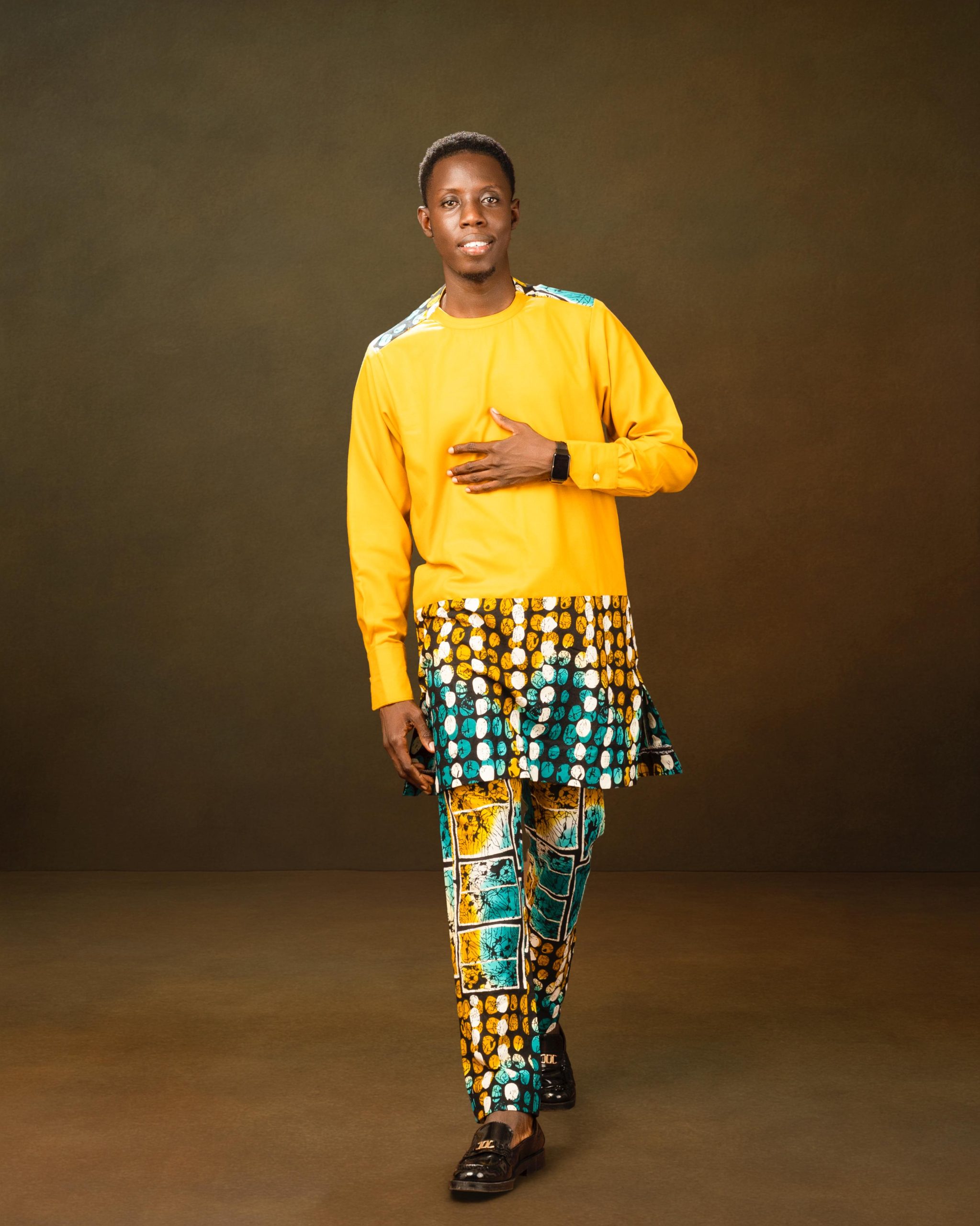 Having travelled and encountered different ways of life, Kawa has observed how some countries make their culture and history central to the way they present themselves to the world. His observations invite a consideration of how Sierra Leone might similarly strengthen the visibility of its cultural heritage.
The question, then, is not simply whether young people remember traditional practices. It is whether they understand their significance and can find meaningful ways to carry them forward. Cultural preservation requires more than telling younger generations what they should wear, eat or speak. It requires helping them understand why these traditions matter and giving them the freedom to explore how they can remain relevant.
That responsibility cannot rest with young people alone. Elders, families, educators, journalists and cultural practitioners all have a role to play. Older generations must be willing to share their knowledge and experiences, while younger people must have opportunities to ask questions, learn and participate in the preservation of their heritage.
The future of cultural identity will depend not only on what is preserved from the past, but also on what the present generation chooses to understand, practice and share. A culture does not necessarily disappear because its expressions change. It is at greater risk when its people lose the knowledge and connection that give those expressions meaning.
Perhaps, therefore, the question is not whether young people can preserve culture exactly as they inherited it. It is whether they can understand its value well enough to ensure that future generations will have something meaningful to inherit.


You May Also Like

Gen Z Isn’t Quitting Goals-They Are Redefining Ambition For Mental Health

RITA UKHUEGBE: UNVEILING STARS THROUGH ENTREPRENEURSHIP