
The Great Digital Lie: Why Your Favourite Influencer’s “Perfect Life” May Be Costing You Peace
There is a quiet kind of exhaustion many people carry now. It does not always come from work, parenting, grief, money worries, or the endless demands of family life. Sometimes, it comes from opening a phone.
One minute, you are checking WhatsApp. The next, you are watching someone announce a new car, a destination wedding, flawless skin, a six-figure business, a peaceful marriage, a spiritually elevated morning routine (I am so guilty of this), and a body that apparently has never met cassava leaf, jollof rice, or late-night stress.
Then you look around your own life and wonder: Am I behind?
That question is one of social media’s most profitable tricks.
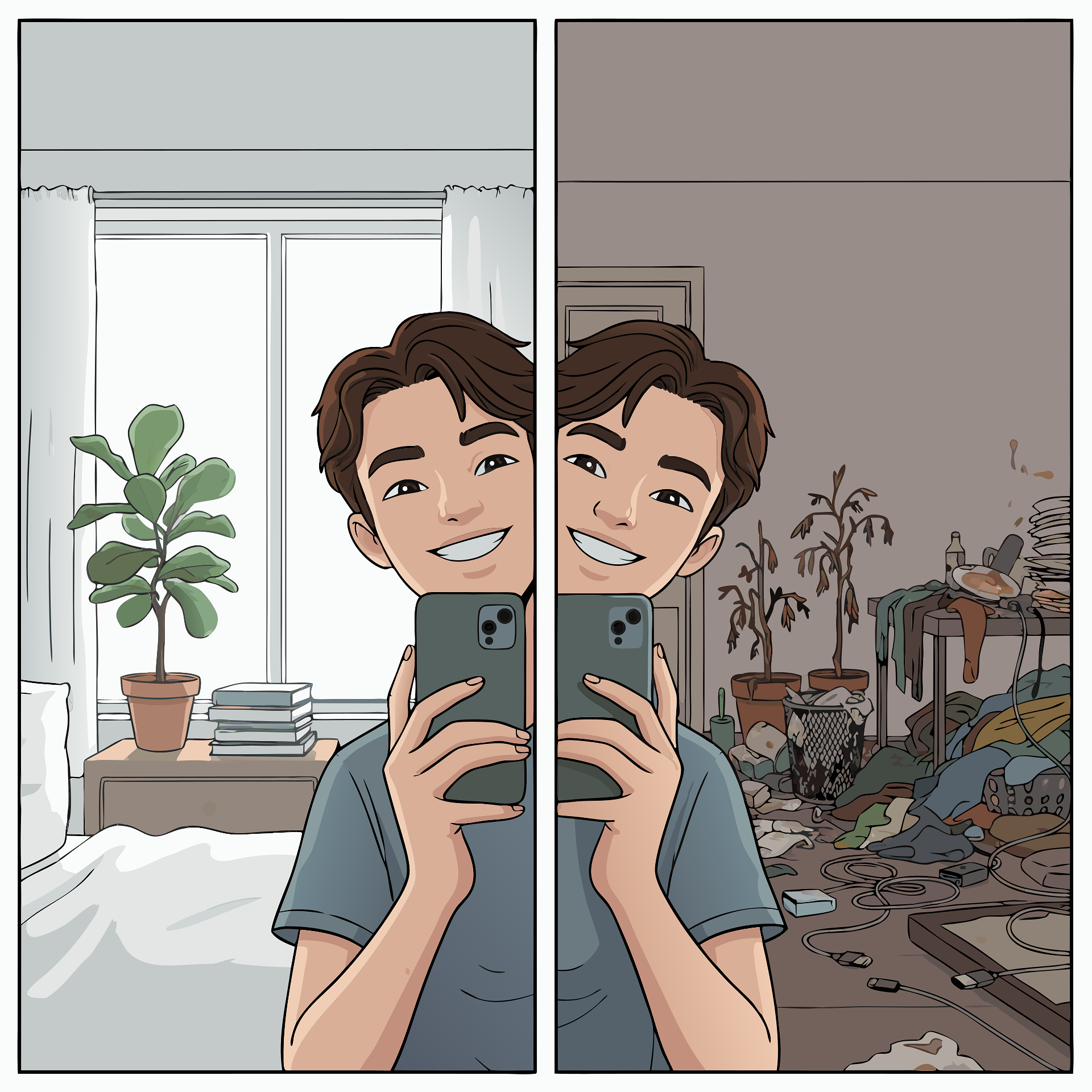
Social media is not necessarily a lie. But it is a performance: selected, edited, filtered, cropped, scheduled, and sometimes sponsored. It is content, not a live broadcast from someone’s full human experience.
The pressure behind the scroll
The pressure to “keep up” has become an intergenerational mental-health issue. Young people may compare their faces, friendships, clothes, grades, and opportunities. Adults may compare careers, marriages, homes, parenting styles, and financial milestones. Older users can also feel left out of a fast-moving digital culture that seems to reward visibility over quiet living.
For a young woman in Freetown, Lagos, Accra, Monrovia, or Banjul, the comparison may look like this: she sees a creator posting a luxury birthday dinner in Dubai while she is calculating transport fare, electricity costs, and whether her data bundle can last until month-end.
For a parent, it may be watching polished family content and feeling ashamed because their own children are loud, their kitchen is chaotic, and school fees are due.
For an entrepreneur, it may be seeing a peer celebrate “overnight success” without seeing the years of unpaid labour, borrowed equipment, failed pitches, or family support behind the camera.
The feed shows the applause. It rarely shows the anxiety before the event.
Online bullying is not “just banter”
In many African communities, people are raised to be resilient. We learn to endure. We learn that teasing is normal, that public opinion has teeth, and that everybody has something to say.
But online bullying is not harmless because it comes wrapped in jokes, memes, comments, subtweets, group-chat gossip, or a casually cruel voice note.
A person can be mocked for their body, accent, tribe, religion, relationship status, grief, parenting, clothing, or perceived lack of success. Once a pile-on starts, the audience can become larger than the original conflict ever deserved.
The emotional impact is real. Shame, anxiety, social withdrawal, sleep problems, anger, and a constant feeling of being watched can follow someone long after a post disappears.
And the cruellest part? The internet often demands a response from people who are simply trying to survive a difficult day.
Not every silence is arrogance. Not every vulnerable post is attention-seeking. Not every person who shares grief, heartbreak, burnout, or healing is asking strangers to diagnose their life.
Sometimes, they are doing something brave: refusing to pretend.
Vulnerability is not a performance failure
We live in a culture that often tells people to package pain neatly. Be inspirational, but not too honest. Be strong, but do not cry. Share your story but make it comfortable for everyone else.
That is why purposeful vulnerability matters.
Sharing a grief diary, discussing emotional healing, or admitting that life is heavy can help make room for someone else to breathe. It can remind a struggling person that they are not defective because they are grieving, tired, confused, or rebuilding.
Of course, boundaries still matter. Not every feeling belongs online, and not every audience has earned access to your private life. But there is a difference between healthy privacy and emotional hiding.
One protects your peace. The other can slowly imprison it.
The 1% rule for protecting your mind
Here is a practical rule for social-media use: assume you are seeing one percent of a person’s actual life.
You may see the promotion but not the rejection letters. The engagement ring but not the difficult conversations. The polished business launch but not the debt. The gym transformation but not the insecurity. The confident motivational post but not the panic attack before it was uploaded.
This does not mean everyone online is fake. It means everyone is human.
The people you admire may be talented, disciplined, stylish, successful, and genuinely inspiring. Learn from them. Celebrate them. But do not turn their edited moments into evidence that your ordinary life is failing.
Your life is not late because it does not look expensive on Tik Tok.
How to stay grounded online
Can I dare to say that a healthier relationship with social media is less about disappearing and more about becoming intentional.
- Audit the accounts you follow. If an account repeatedly leaves you feeling inadequate, angry, ugly, broke, or behind, mute it. Your algorithm is not more important than your nervous system.
- Pause before comparing. Ask: “What part of this person’s life am I not seeing?” That question can interrupt the spiral.
- Separate inspiration from instruction. A creator’s lifestyle may inspire you, but it does not have to become your blueprint.
- Do not feed public cruelty. Avoid reposting humiliating content, joining comment-section attacks, or treating someone’s pain as entertainment.
- Build offline proof of your life. Call a friend. Eat with family. Take a walk. Sit in prayer, reflection, music, or community. Your worth needs witnesses beyond an audience.
There is freedom in accepting that you do not have to explain every season of your life online. At 40, 25, 60, or 17, one of the most valuable skills you can develop is becoming less available to other people’s projections.
The internet will always have an opinion. It has opinions about women ageing, men struggling, mothers resting, single people thriving, grieving people speaking, and anyone bold enough to be visibly human.
Let them talk.
Be guided. Stay grounded. And remember: the feed is a highlight reel, not a measuring tape for your life.
Which part of your online experience most often affects your peace: comparison, criticism, or pressure to appear okay?
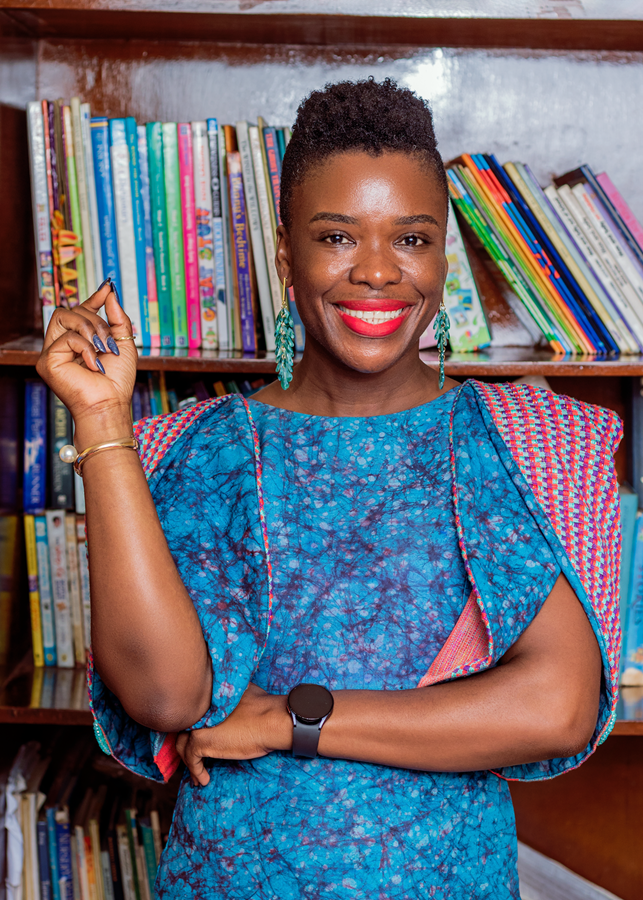
Ariana Oluwole is an executive coach, holistic educator, and Multipotentialite Entrepreneur. Her flagship coaching program ‘Live and Lead Your Best Life’ provides holistic strategies for Africans, the diaspora, and professionals navigating multiple cultures and teams. When she is not Empowering People, Teams & Systems to Thrive. Queen A can be found speaking to plants with a nice cup of tea.
Ariana Oluwole
Ariana Oluwole is an executive coach, holistic educator, and Multipotentialite Entrepreneur. Her flagship coaching program 'Live and Lead Your Best Life' provides holistic strategies for Africans, the diaspora, and professionals navigating multiple cultures and teams. When she is not Empowering People, Teams & Systems to Thrive. Queen A can be found speaking to plants with a nice cup of tea.


You May Also Like

5 SECRETS TO LOOKING GOOD THIS CHRISTMAS AND BEYOND

60 SECONDS WITH CAMAREH SARAH KAMARA
