

MEET ARIANA

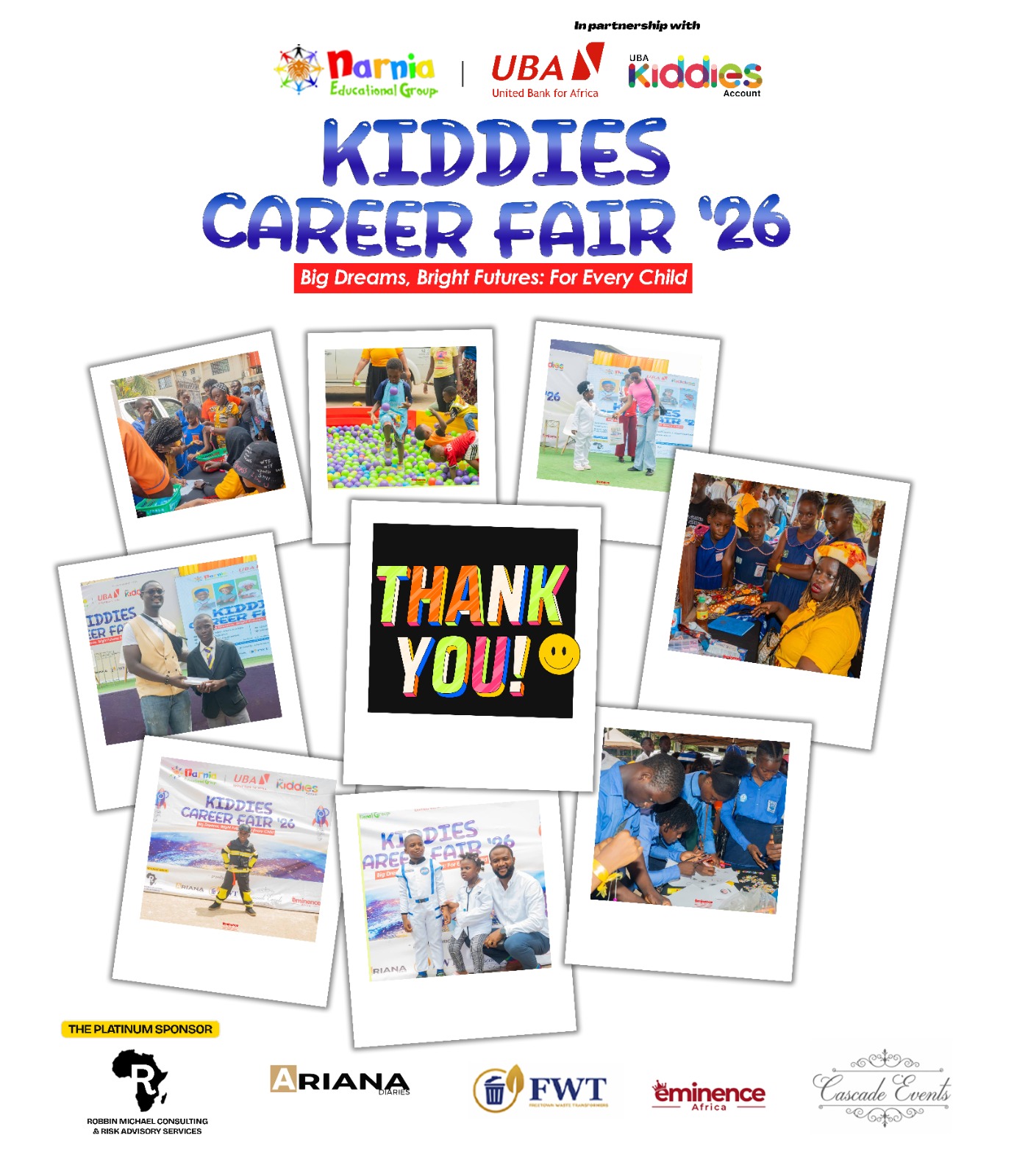
Narnia Kiddies Career Fair ‘26: Big Dreams, Bright Futures for Every Child
April 28, 2026
In a world where the future of work is evolving faster than ever, early exposure to career possibilities is no longer a luxury it is a necessity. The Kiddies Career Fair, held recently in Freetown, Sierra Leone, positioned itself as a bold response to this reality, creating a space where imagination meets opportunity and where children are encouraged to see themselves not just as learners, but as future professionals, innovators, and leaders.
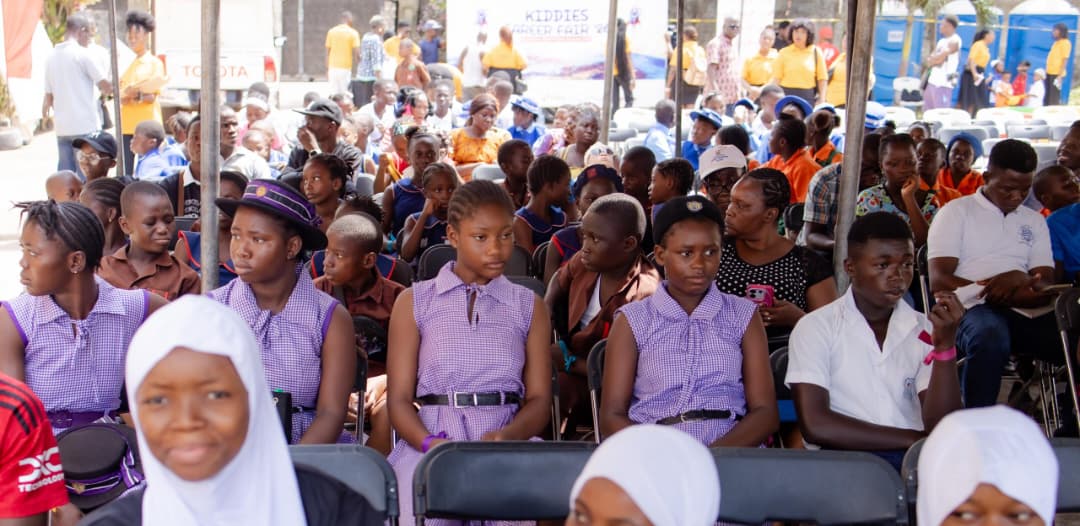 Unlike conventional career events that target university students or young adults, this fair deliberately focused on younger minds. The atmosphere was vibrant but purposeful: classrooms transformed into interactive booths, professionals stepping out of their formal roles to engage with curiosity, and children moving from station to station with a mix of excitement and discovery. From medicine and media to agriculture, technology, and public service, the fair presented careers not as distant ambitions, but as tangible pathways.
What set this event apart was its emphasis on storytelling. Professionals did not merely describe what they do; they unpacked how they got there the failures, the detours, the resilience. For many children, this reframed success from something abstract into something human and achievable. A young attendee, reflecting on the experience, noted that for the first time, she understood that “people choose careers, but they also grow into them.”
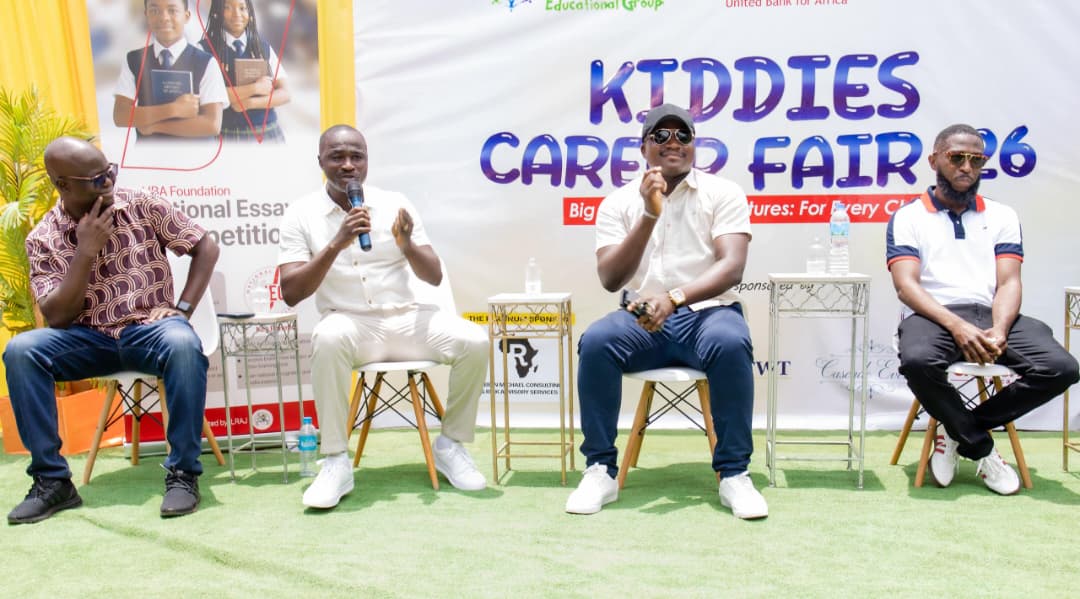 At the heart of the event was a thoughtfully curated panel discussion which was moderated by Mr. Winston Faulkner; Winston is an Energy expert who has worked in the energy sector for 20 years. The panel consisted of Mr. Kpana Conteh, a trade expert; he works at Customs and Trade helping goods move safely between countries. Mr. Victor Peacock -Sawyer is an administrator who organizes people and the office and also lectures at the university. Faud Koroma is an Environmental Specialist, he helps manage project that keep nature safe and healthy. Dr. Obai Kargbo is a Coastal Engineer, who studies the waves, ocean and coastlines. The panel discussion brought together voices from diverse sectors. The conversation moved beyond the predictable “follow your dreams” narrative and instead tackled the realities shaping children’s futures today: access to quality education, the digital divide, gender disparities, and the role of mentorship.
Panelists challenged the audience to rethink how society introduces children to ambition. One speaker emphasized that exposure must begin early, but it must also be inclusive ensuring that children from all backgrounds, especially underserved communities, are not left behind. Another panelist highlighted the importance of nurturing soft skills such as communication, adaptability, and problem-solving, arguing that these are as critical as academic excellence in a rapidly changing global economy.
 A particularly compelling moment came when the discussion turned to gender equity. The panel acknowledged that while progress has been made, subtle barriers continue to shape the aspirations of young girls. Cultural expectations, limited representation, and lack of encouragement in certain fields still influence how children perceive their potential.
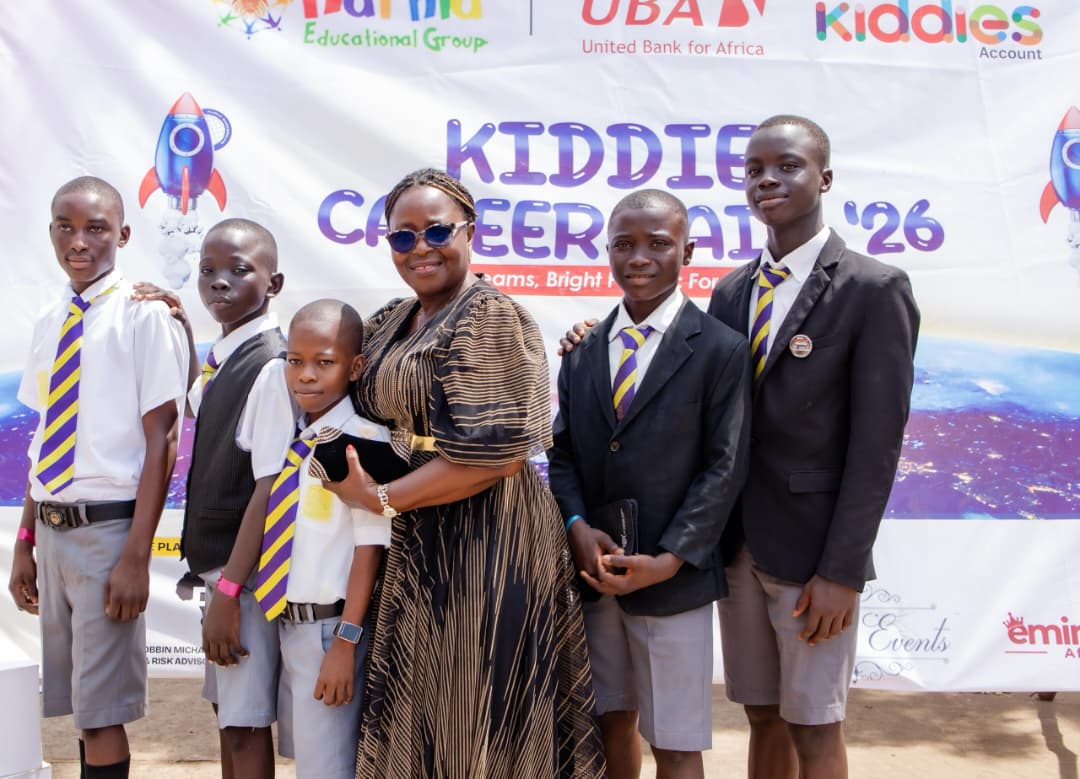
This perspective was reinforced by a representative from the Ministry of Gender, who delivered a statement that resonated strongly with both parents and educators. She underscored the government’s commitment to creating an environment where every child regardless of gender has equal access to opportunity.
Her remarks highlighted a critical truth: initiatives like the Kiddies Career Fair are not just events; they are interventions. They challenge entrenched norms, open up conversations, and create moments of possibility that can shape a child’s trajectory.
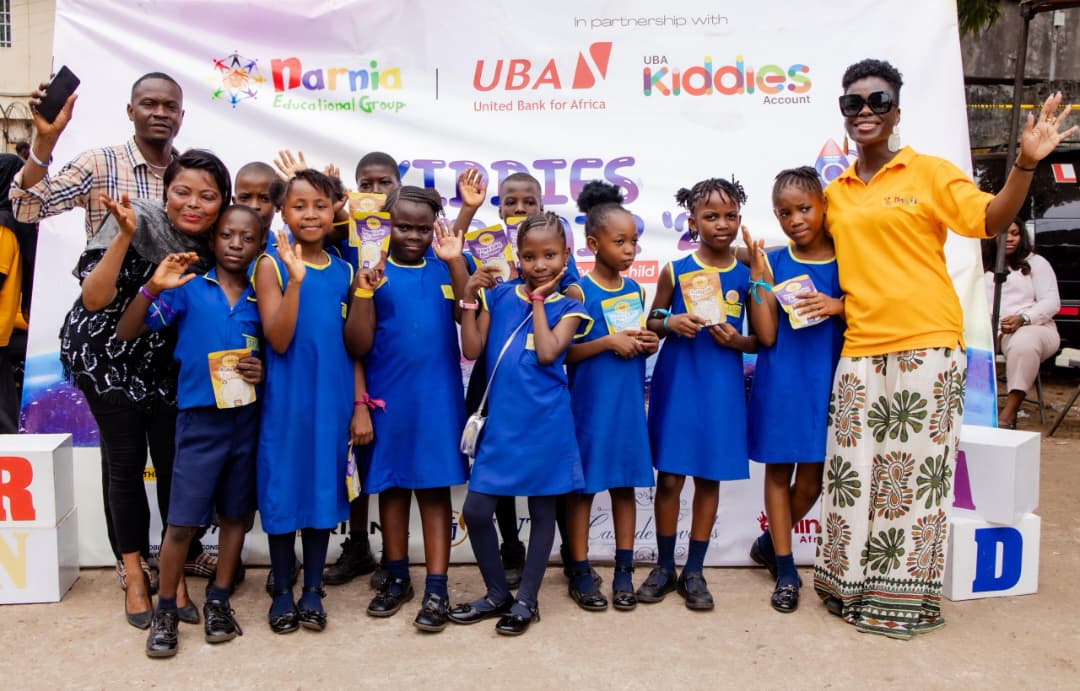 Equally important was the role of parents and educators, who were encouraged to move beyond traditional expectations and support children in exploring diverse interests. The fair subtly but effectively reminded adults that guidance should not be prescriptive but enabling—allowing children to discover where their passions and talents intersect.
As the event drew to a close, what lingered was not just the excitement of the day, but a deeper sense of purpose. The Kiddies Career Fair succeeded in doing more than showcasing professions; it planted seeds of ambition, curiosity, and confidence.
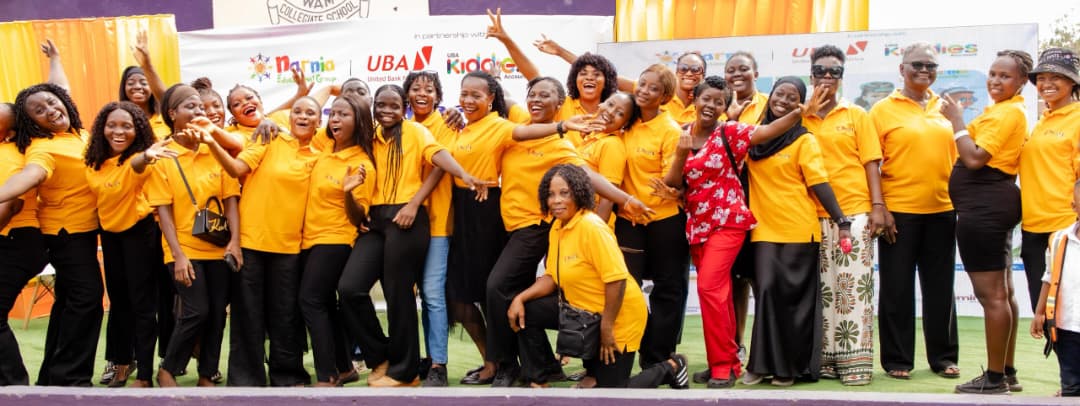 In a country and indeed a world where the future can often feel uncertain, creating spaces where children can dream boldly and realistically is invaluable. The message was clear: when children are given the tools, exposure, and encouragement to envision their futures, those futures become not just possible, but inevitable.
The Narnia Kiddies Career Fair 2026 stands as a compelling model of what early career engagement can look like, intentional, inclusive, and impactful. And if its energy is anything to go by, the future it seeks to inspire is already taking shape.


